Bountiful Foundation Pros
Wall Stabilization
Stabilize bowing or cracking basement walls with carbon fiber straps or steel bracing. Free estimates available.
Serving Bountiful and nearby communities.
A bowing basement wall rarely shows up on its own. It's usually spring snowmelt pushing hydrostatic pressure against a wall that's held back soil for 50-plus years. Full basements mean that pressure has a lot of wall to act on. Bountiful Foundation Pros inspects the bow pattern first, then matches the reinforcement method to how far the wall has already moved.
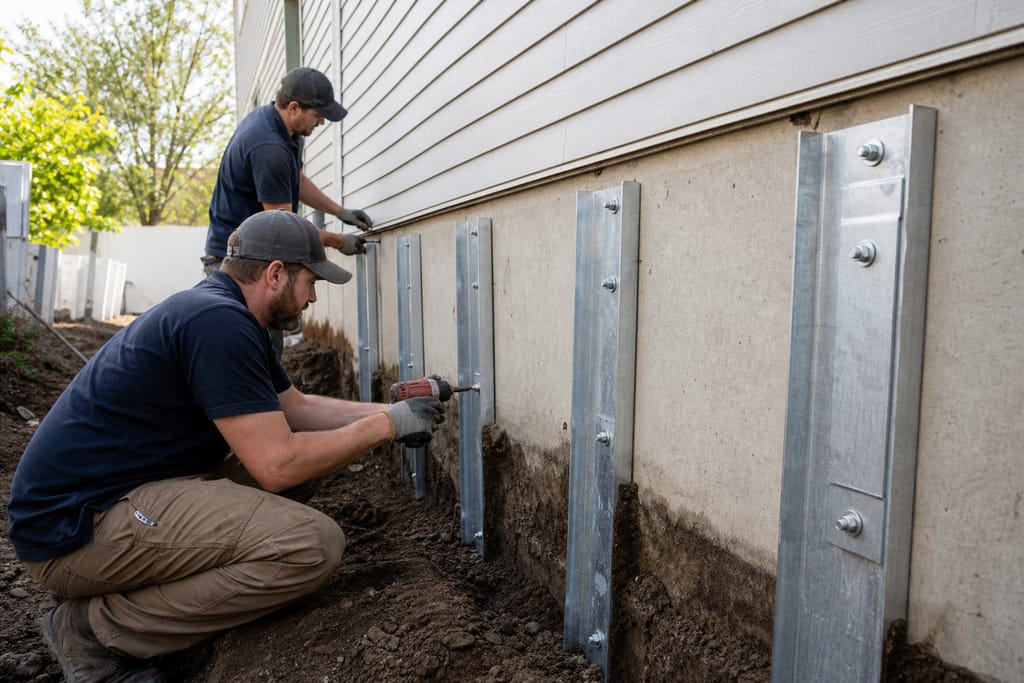
Carbon fiber straps work for early-stage bowing where the wall hasn't shifted far out of plane. Steel I-beams and exterior anchors come into play once the movement is more advanced. Either way, the goal is to stop the inward push before it turns into a structural failure that costs a lot more to fix.
What's included
What's Included with Wall Stabilization
Typically included
- Wall inspection and bow measurement
- Hydrostatic pressure assessment
- Anchor, strap, or beam installation based on severity
- Tensioning and final stability check
Optional
- Exterior grading or drainage correction to reduce future pressure
- Crack sealing on the same wall before reinforcement
Customer prep
- Clear access to the affected basement wall
- Note when the bowing or cracking was first noticed, especially if it followed a wet season
Want a clearer scope?
Get a Free EstimateHow it works
How Our Wall Stabilization Process Works
 Step 1
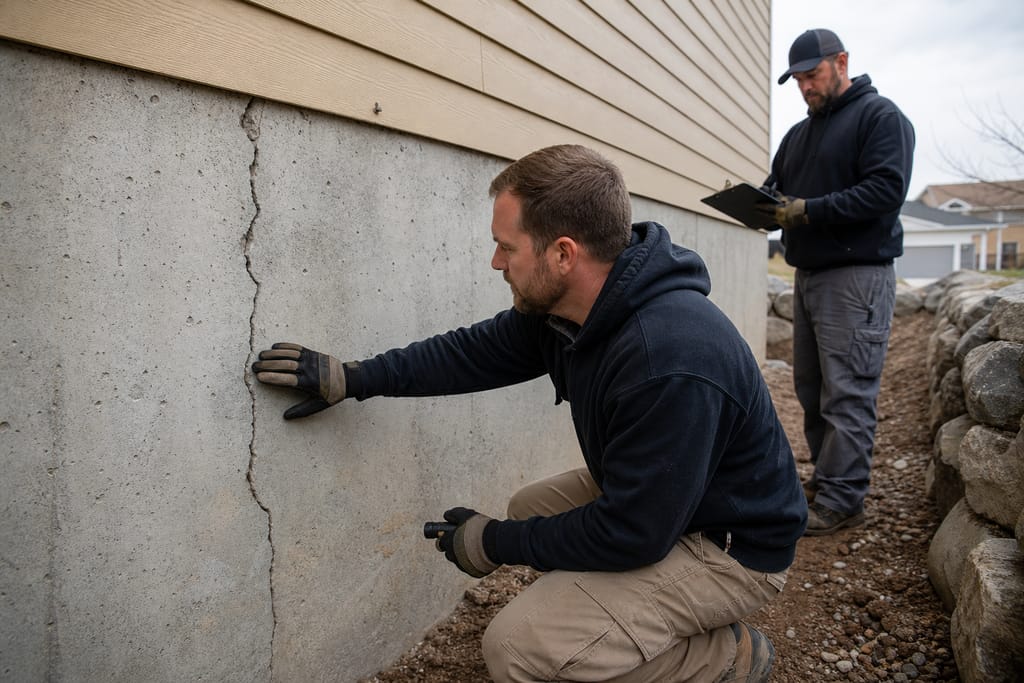
Wall Inspection
Walls are examined for bowing, cracking, or leaning indicators.
 Step 2
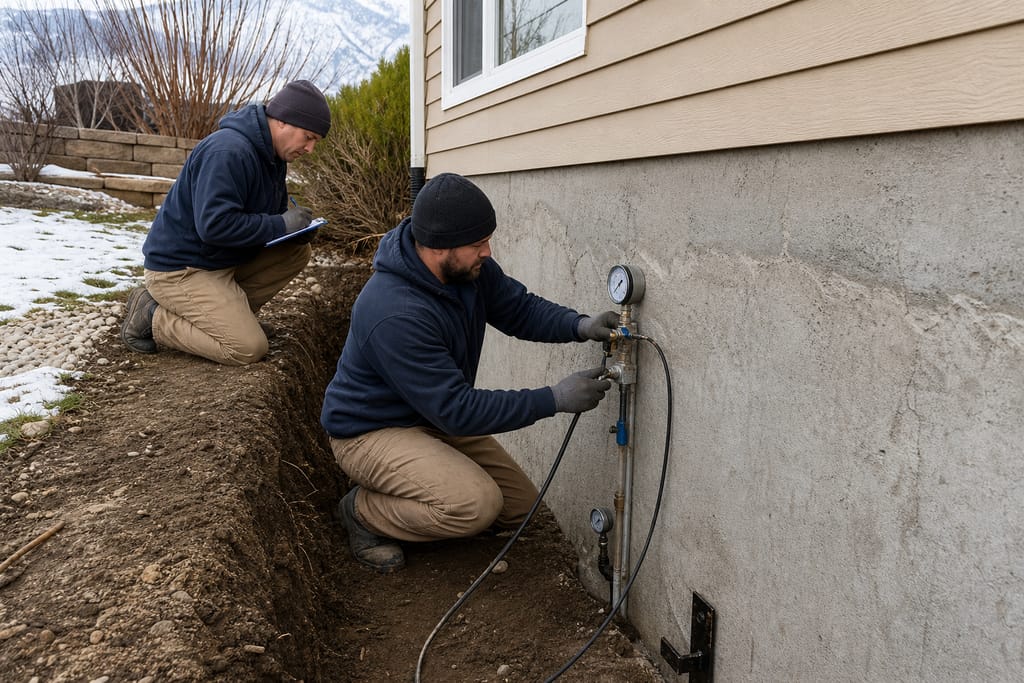
Pressure Assessment
Soil and hydrostatic pressure contributing to wall movement are evaluated.
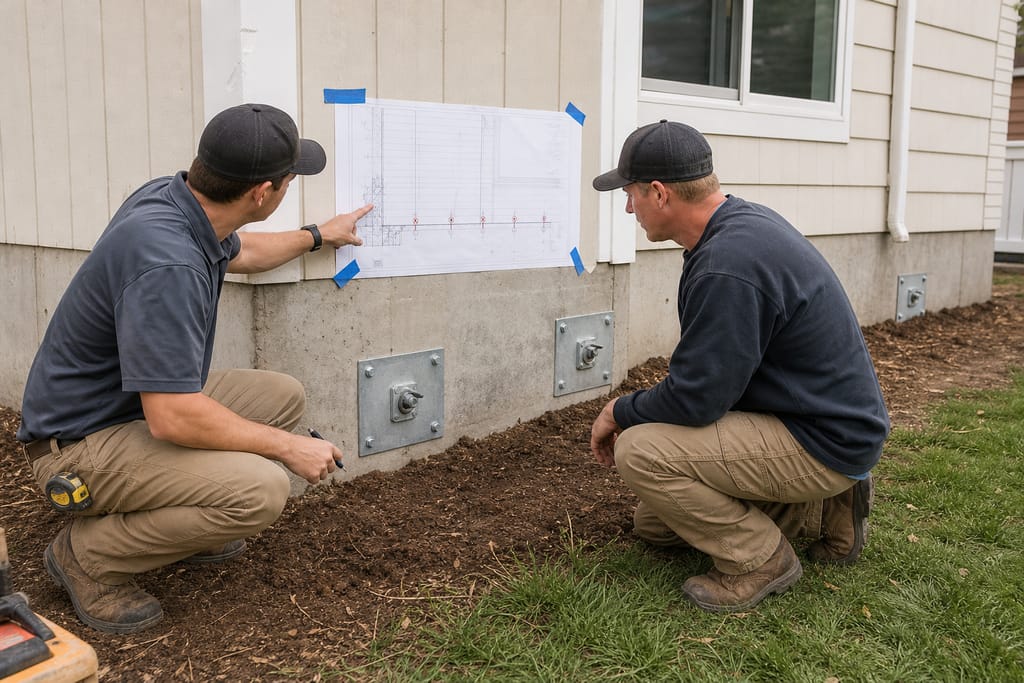 Step 3
Reinforcement Planning
A stabilization method is selected based on wall condition and severity.
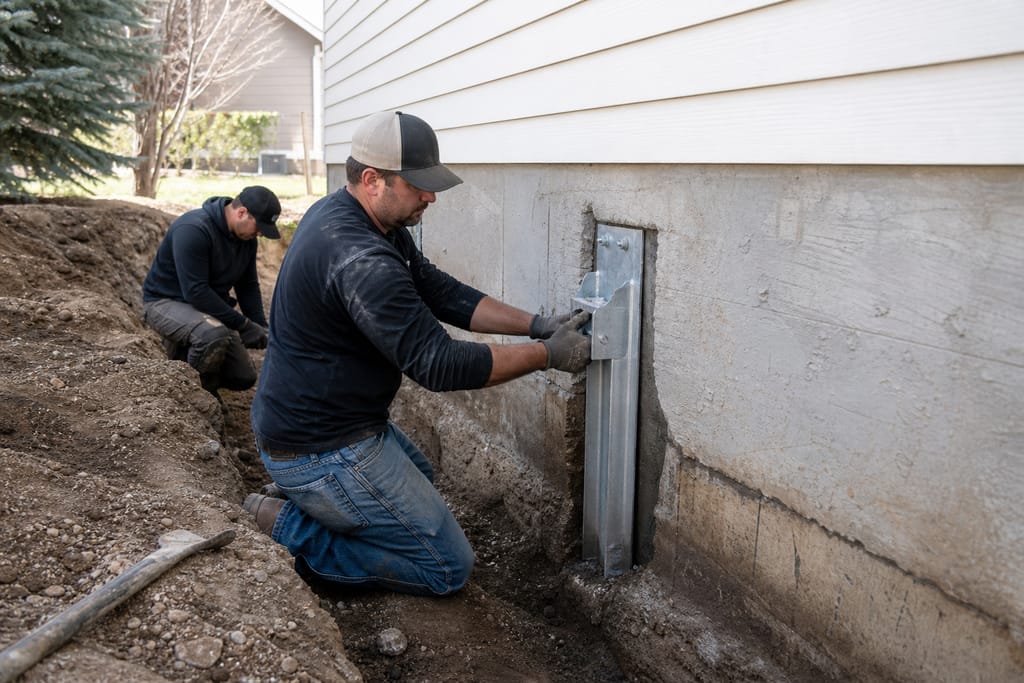 Step 4
Anchor or Brace Installation
Support systems are installed to halt further wall movement.
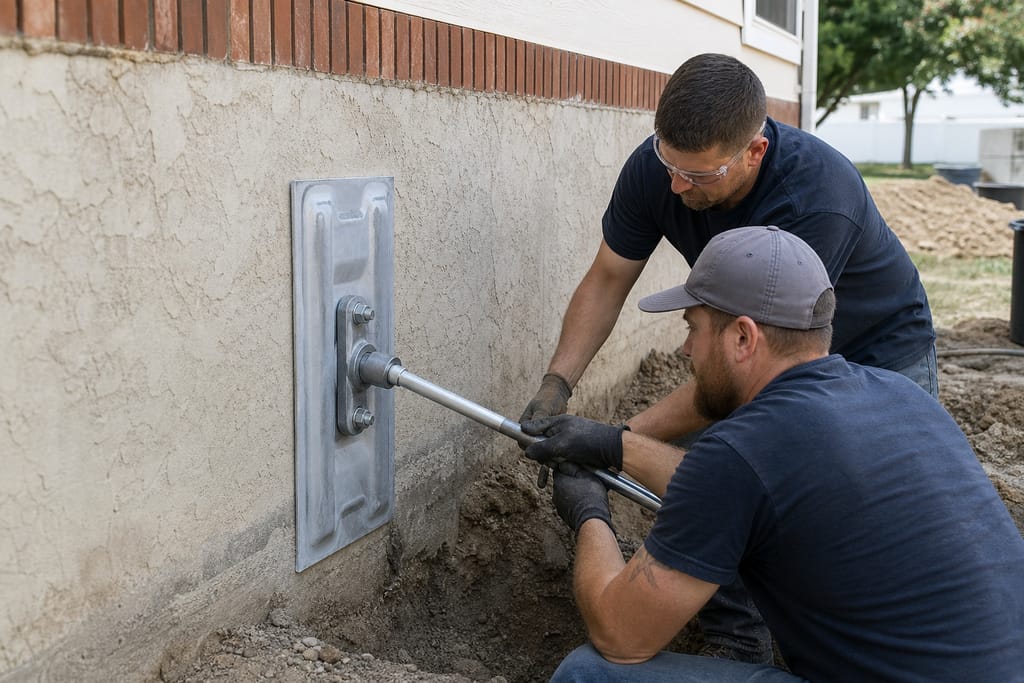 Step 5
Tensioning Adjustment
Anchors or braces are tightened to gradually stabilize the wall.
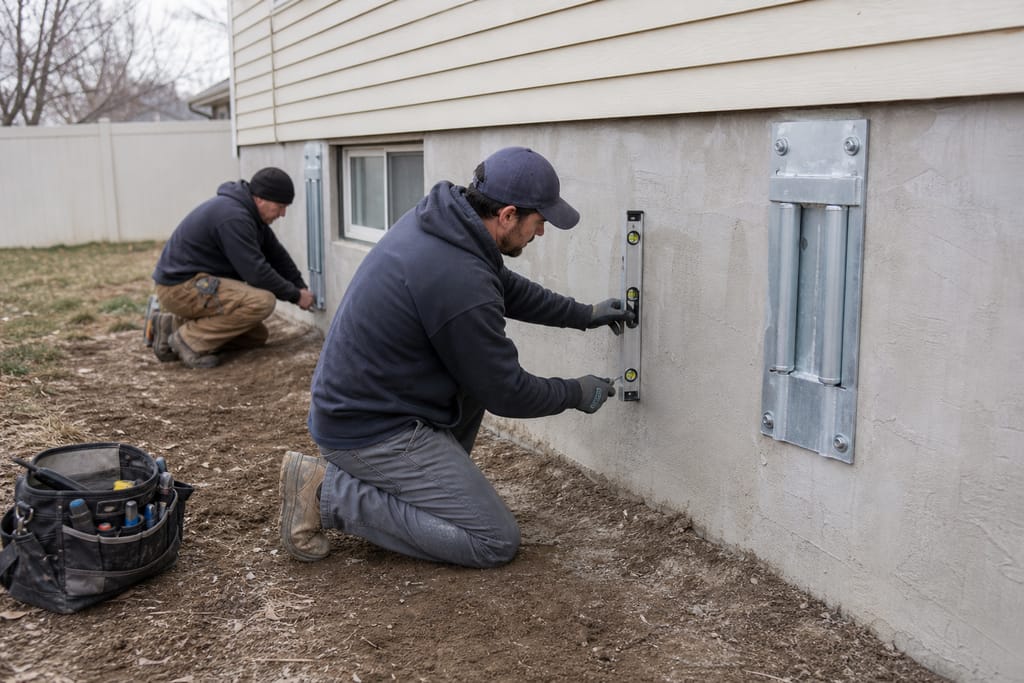 Step 6
Final Inspection
The wall is rechecked to confirm stability and proper installation.
Materials
Materials and Methods for Wall Stabilization
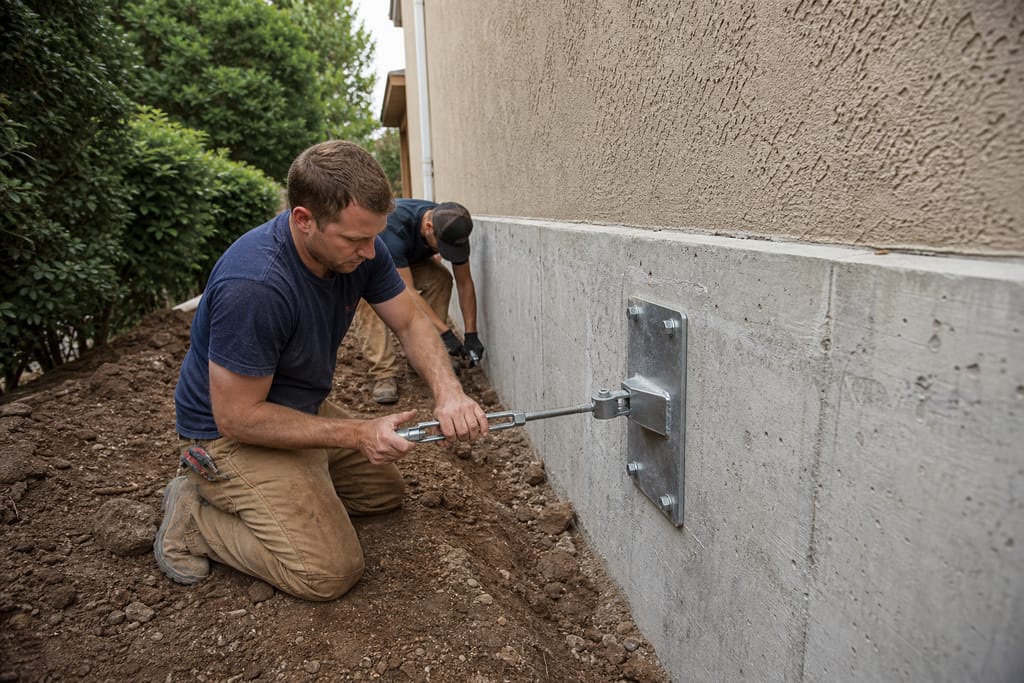
Wall Anchors
Installed in the yard to push back against the soil pressure that builds up after spring runoff.
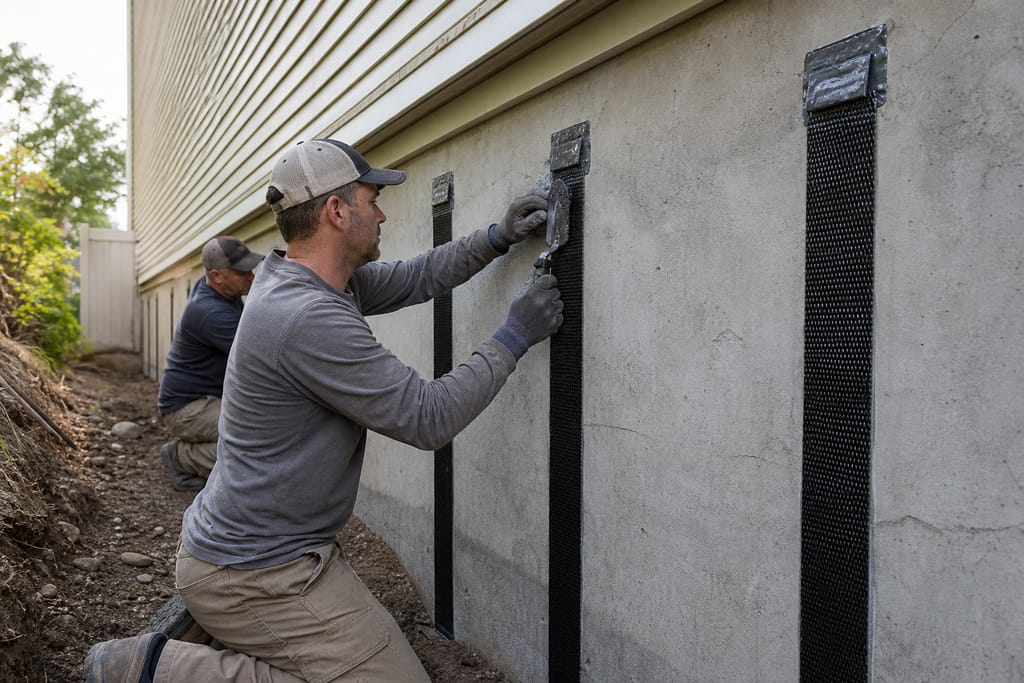
Carbon Fiber Straps
Reinforce a wall that's still relatively straight without digging up the yard.
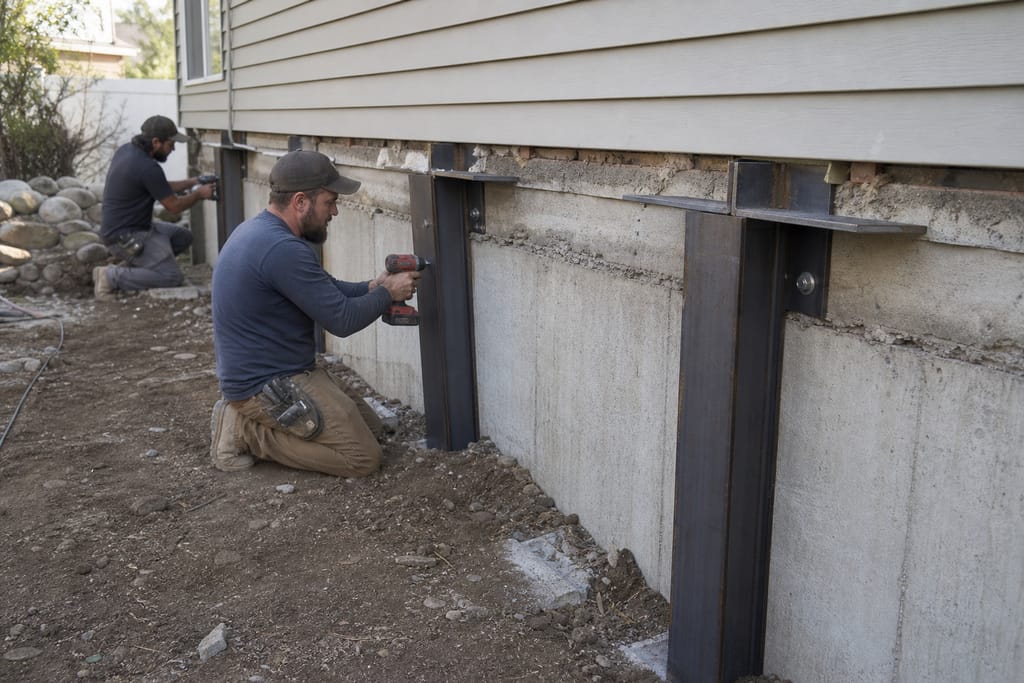
Steel I-Beams
Rigid bracing for walls that have already bowed further than straps alone can hold.
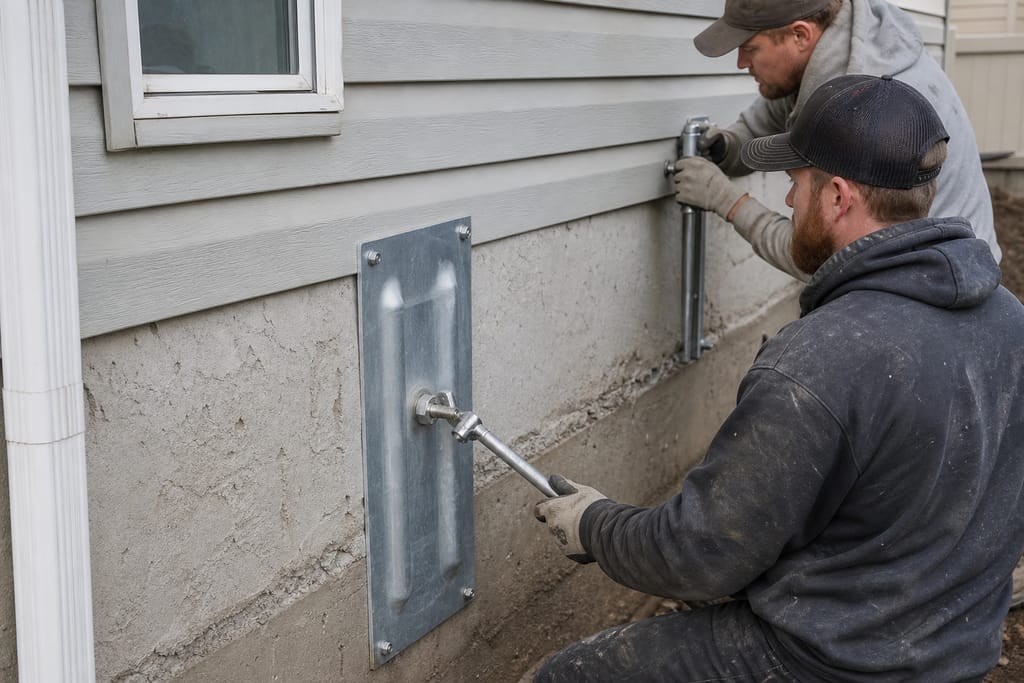
Wall Plates
Spread anchor tension across the wall instead of concentrating it at one point.
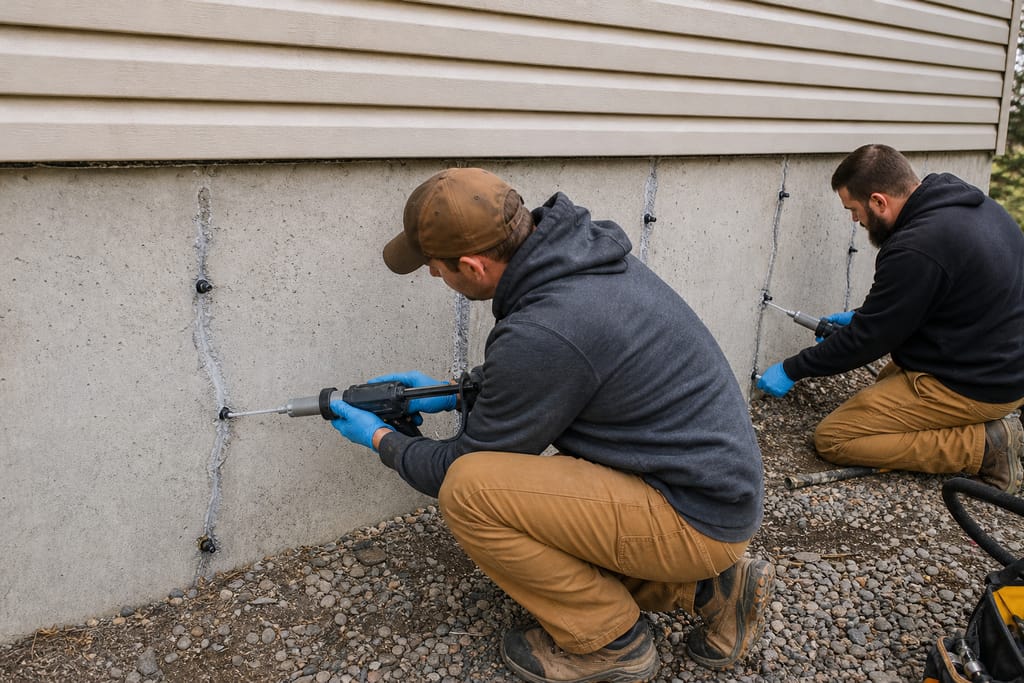
Epoxy Crack Filler
Seals existing cracks before reinforcement goes on, so moisture doesn't keep working behind the repair.
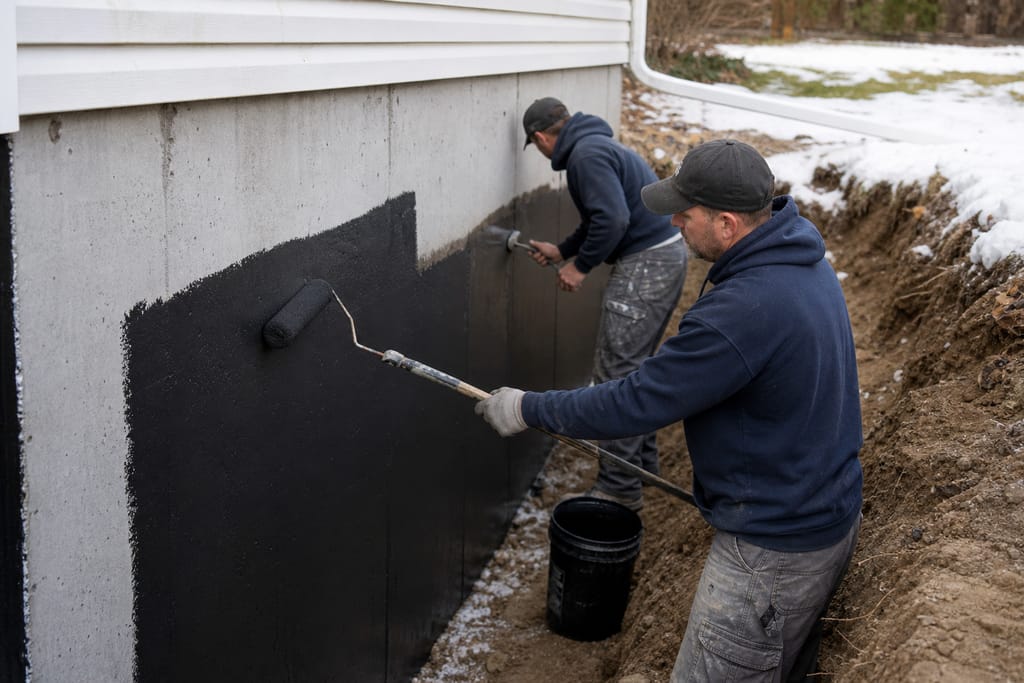
Moisture Barrier Coating
Adds a layer of protection against the dampness common in older basement walls.
Questions on materials?
Get a Free EstimateTimeline
How Long Does a Wall Stabilization Take?
Most wall stabilization jobs run from a single visit to a few days depending on wall length and severity.
- 01
Consult and inspection
same day - 02
Reinforcement plan and material order
1–3 days - 03
Anchor or strap installation
1–2 days - 04
Final tensioning and inspection
same day
Need a schedule that fits?
Get a Free EstimateBefore & after
Before and After Wall Stabilization Results
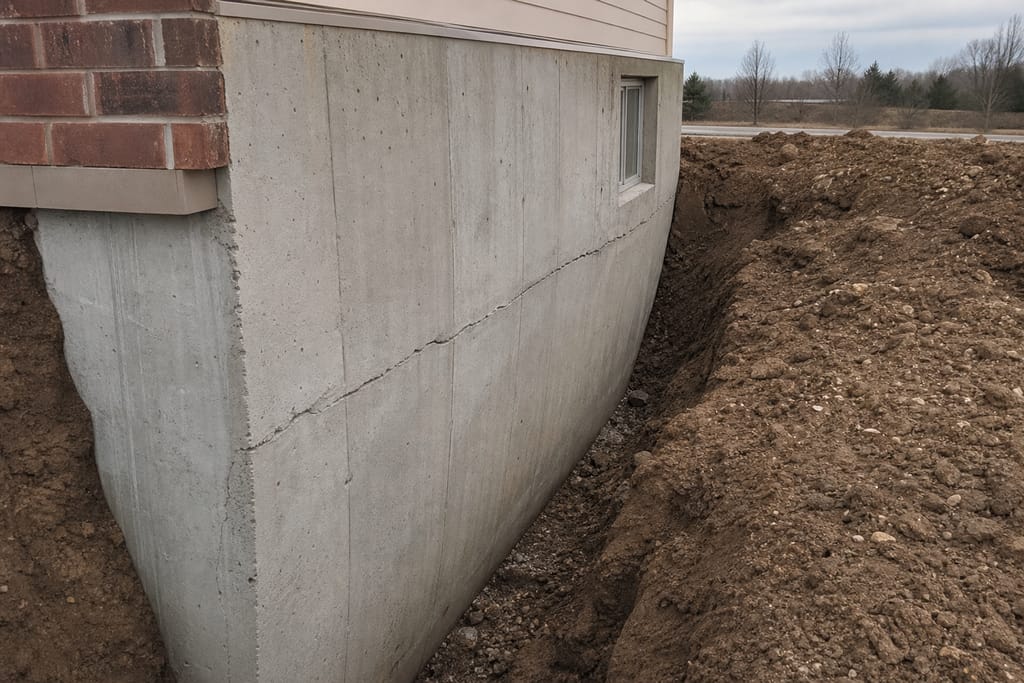
Before 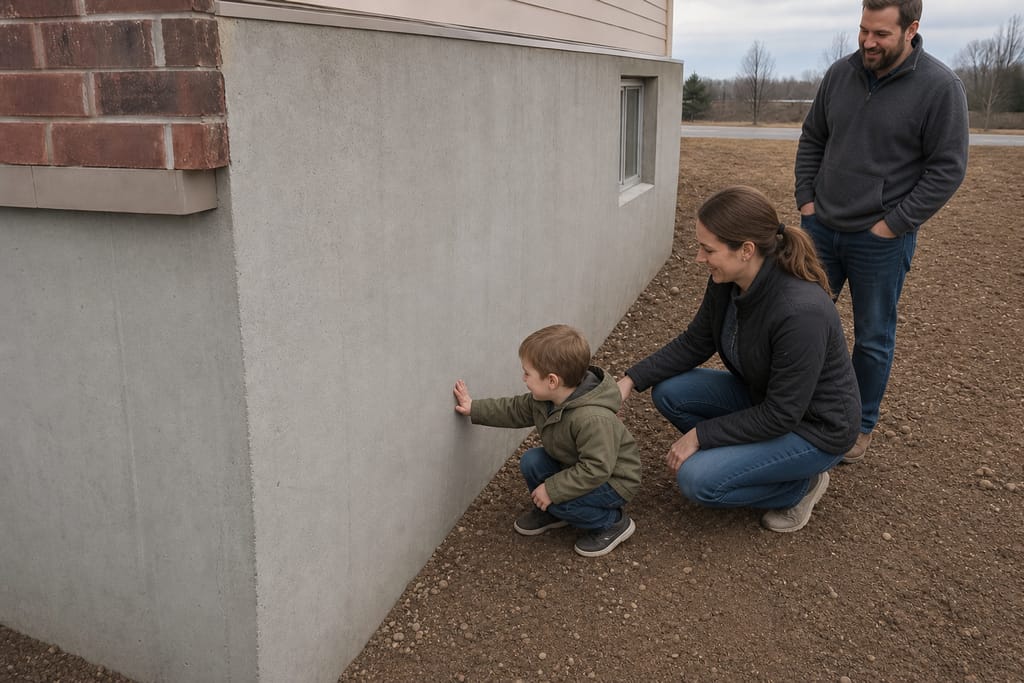
After
FAQs
Wall Stabilization FAQs
How much does wall stabilization cost?
Cost depends on wall length and bow severity. Carbon fiber strap jobs run lower than full anchor or I-beam systems. A free estimate after inspection gives an accurate number.
How long does wall stabilization take?
Most jobs are completed in one to three days depending on how many straps, anchors, or beams the wall needs.
Do I need a permit for wall stabilization?
Structural wall reinforcement, like anchor or beam installation, usually needs a permit. Minor crack monitoring doesn't. Check with Davis County or your city before scheduling.
Is DIY wall stabilization a good idea?
No. A bowing wall is a structural issue, and guessing at a fix risks the wall failing further. This needs a pro assessment of pressure and severity first.
When should I call a wall stabilization pro?
Call when you see horizontal cracking, a visible bow in the wall, or the wall pulling away from the basement floor, especially after a wet spring.
What affects wall stabilization pricing?
Wall length, how far the wall has already bowed, and whether exterior drainage work is needed alongside the reinforcement.
What's typically included in wall stabilization?
Inspection, pressure assessment, reinforcement installation, and a final stability check.
How do I prepare for wall stabilization?
Clear access to the basement wall and be ready to describe when the bowing or cracking started, especially if it followed spring runoff.
Next step
Get a Wall Stabilization Estimate
Call Bountiful Foundation Pros at (385) 324-9280 for a free estimate before the bow gets worse.
More services
Other Foundation Repair services
Foundation Repair
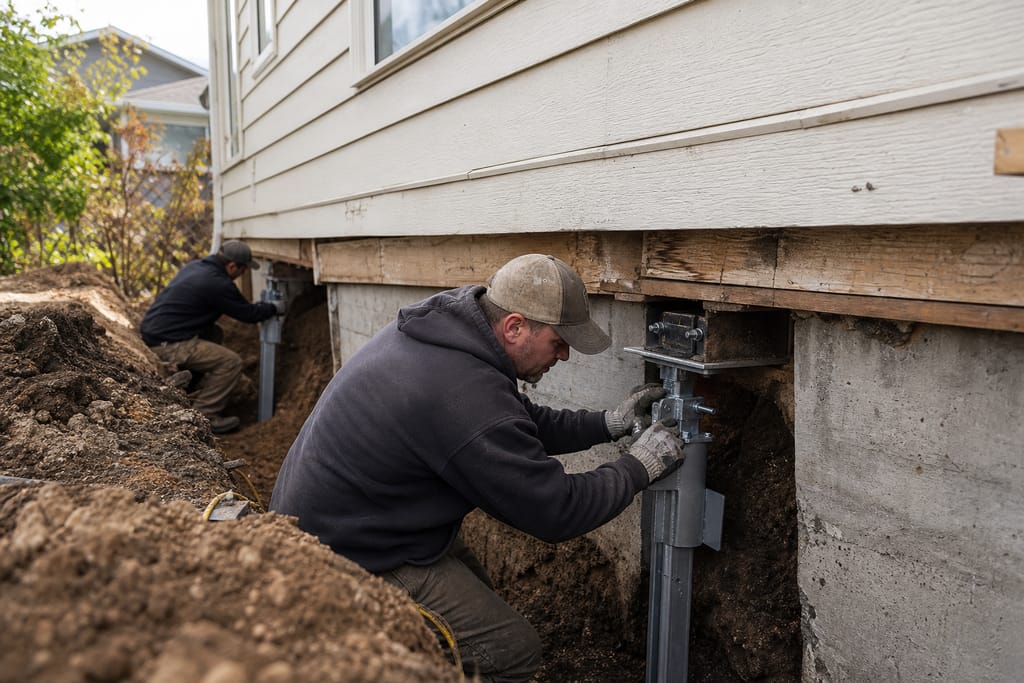
Foundation repair in Bountiful: piering, crack injection, and wall stabilization matched to your soil. Free estimates, written scope.
Piering and Underpinning
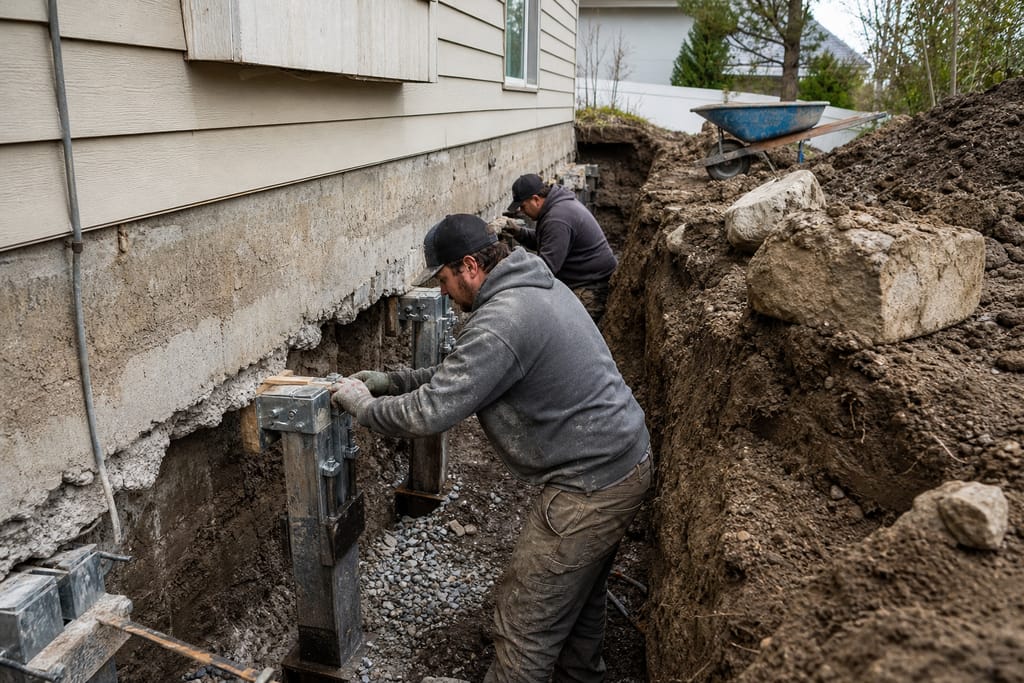
Piering and underpinning in Bountiful: steel push piers, helical piers, and load transfer for sinking corners. Free estimates.
Foundation Crack Repair
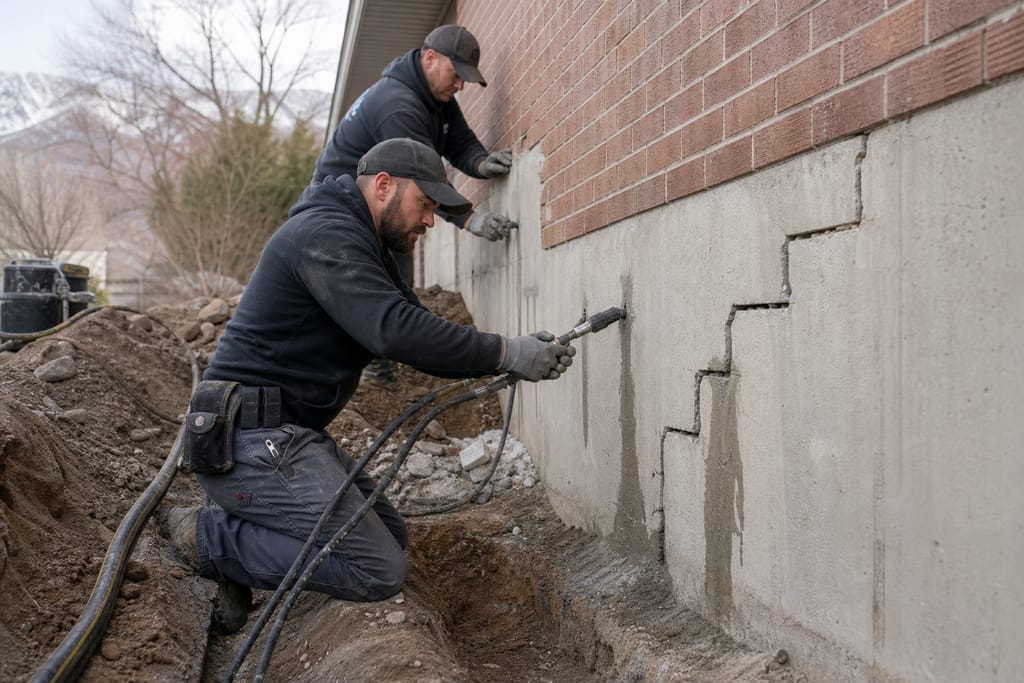
Foundation crack repair in Bountiful, UT using epoxy and polyurethane injection for structural and leaking cracks. Free estimate, same-day repairs.
Ask about Wall Stabilization
Tell us about the project and how to reach you.